The feature
What a beginner actually needs to start a sport
Most first-season kit lists are written by people who already love the sport, and it shows. They include the gadgets, the upgrades and the "nice to haves". This guide takes the opposite approach: the smallest, safest kit that lets you take part, then a clear path for adding the rest.
Start with the movement, not the shop
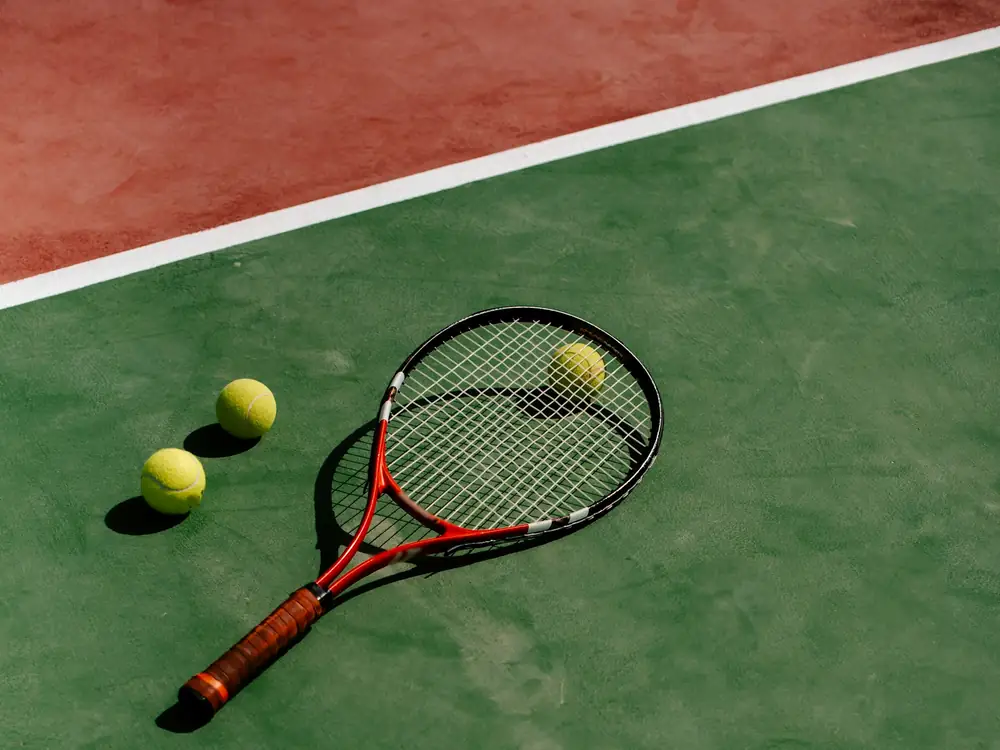
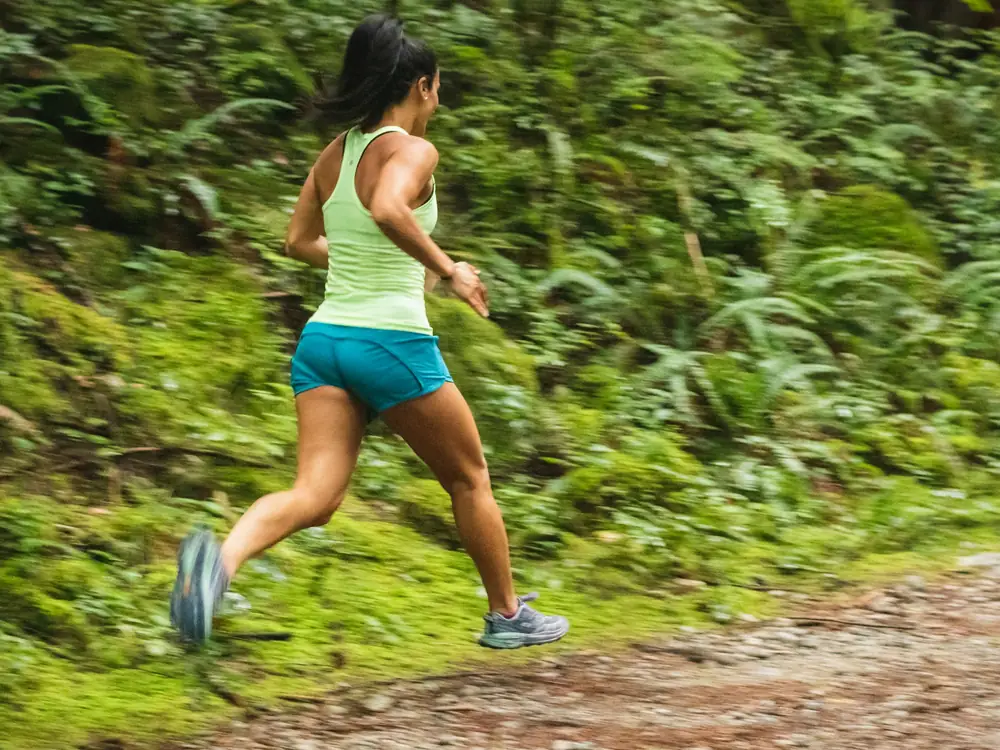
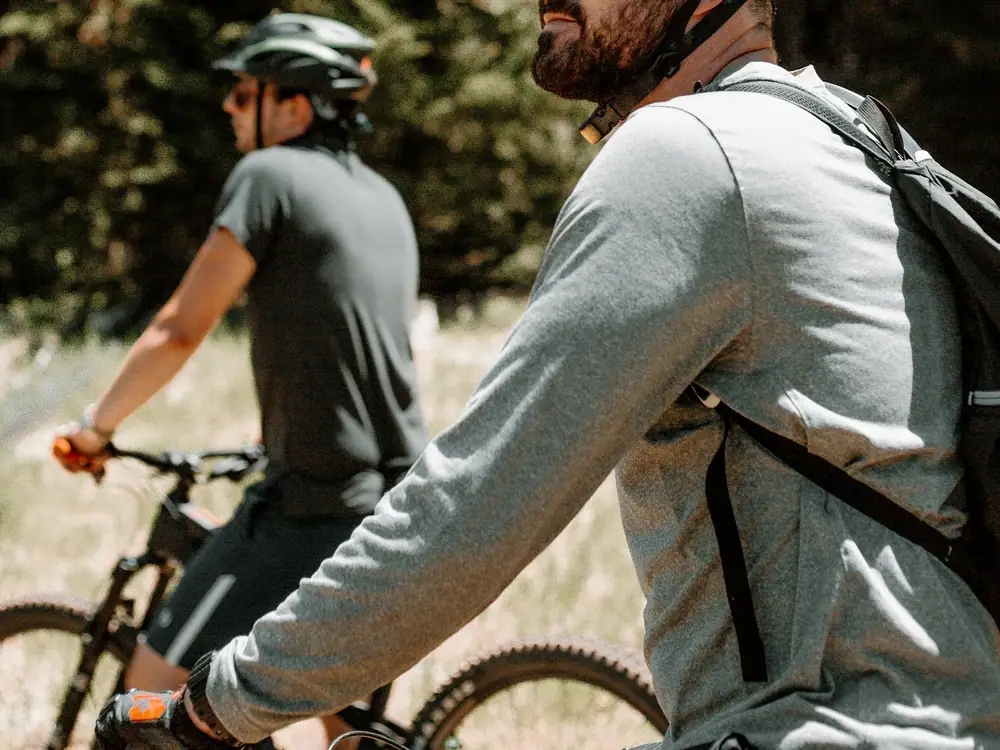
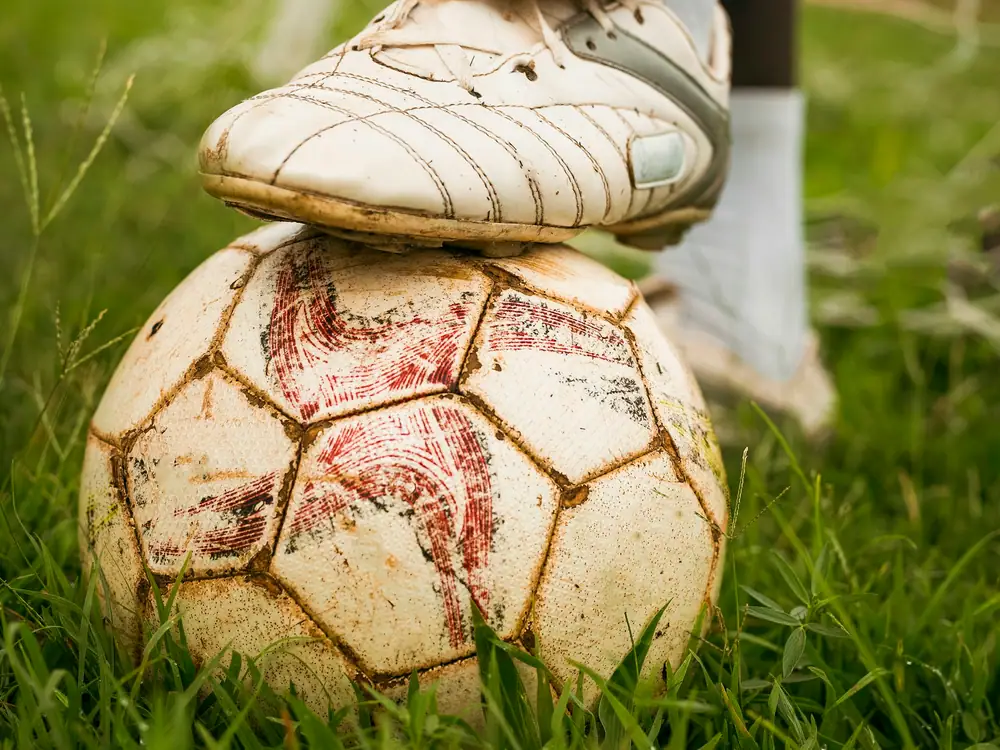
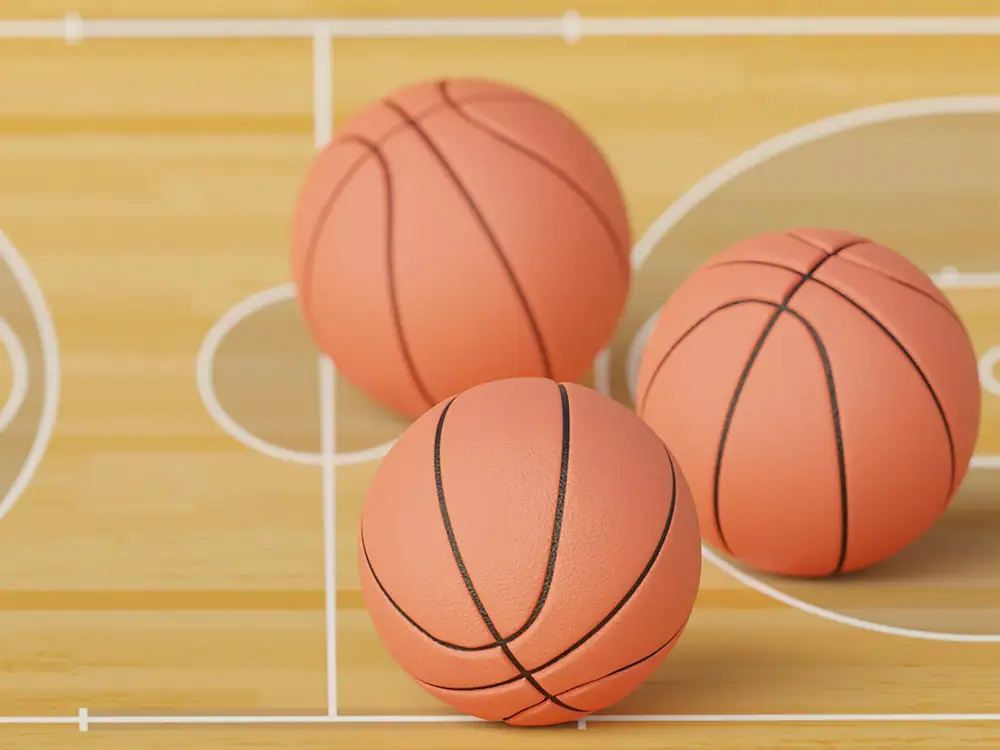
Every sport asks your body to move in a particular way. Running is repeated forward motion. Tennis is short bursts and lots of side-to-side steps. Football is running, turning and kicking on grass or artificial turf. Basketball adds jumping and landing. Cycling puts you in one position for a long time, and swimming takes your weight off the ground entirely.
Beginner equipment should support those movements, not look the part. That is why the very first question to ask about a new sport is not "what do players use?" but "what does my body do in this sport, and what does it need to do that comfortably and safely?"
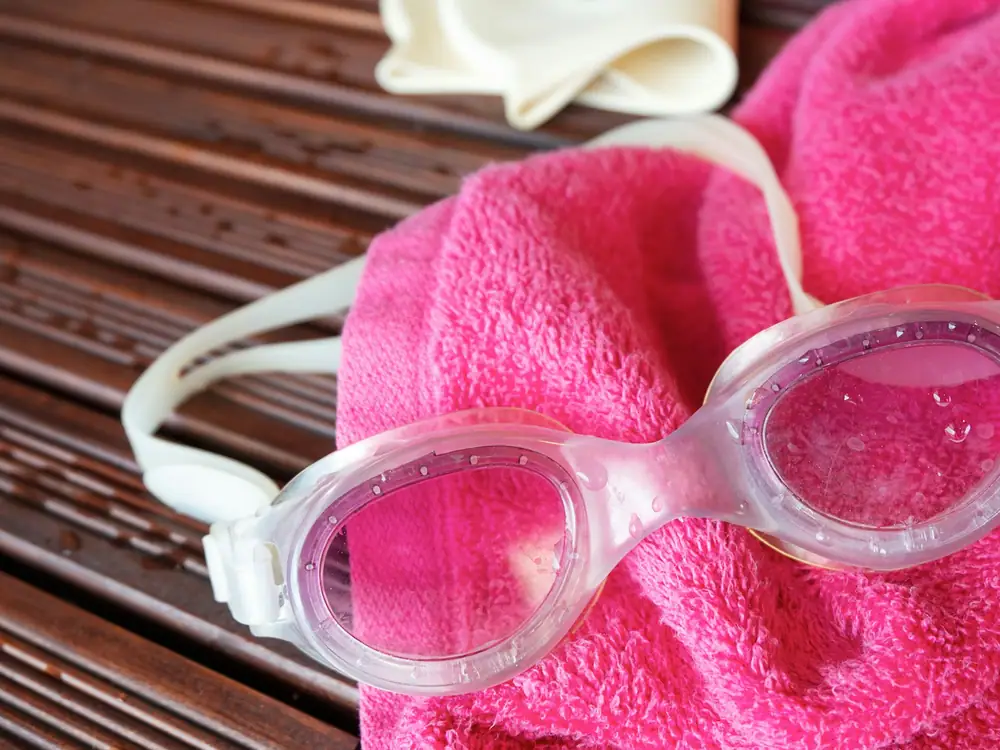
Answer that honestly and a surprisingly short list appears. Tennis players need shoes that grip sideways. Cyclists need a helmet and a bike that fits. Swimmers need goggles that seal. Most of what fills a sports shop is useful later, or never.
The three-layer kit
Whatever the sport, beginner kit falls into three layers. Sort them in this order and you will rarely waste money.
Safety
Anything required by the rules or linked to serious injury: helmets for cycling, shin pads for organised football, visibility gear for running in the dark. Non-negotiable, and always your own.
Footwear
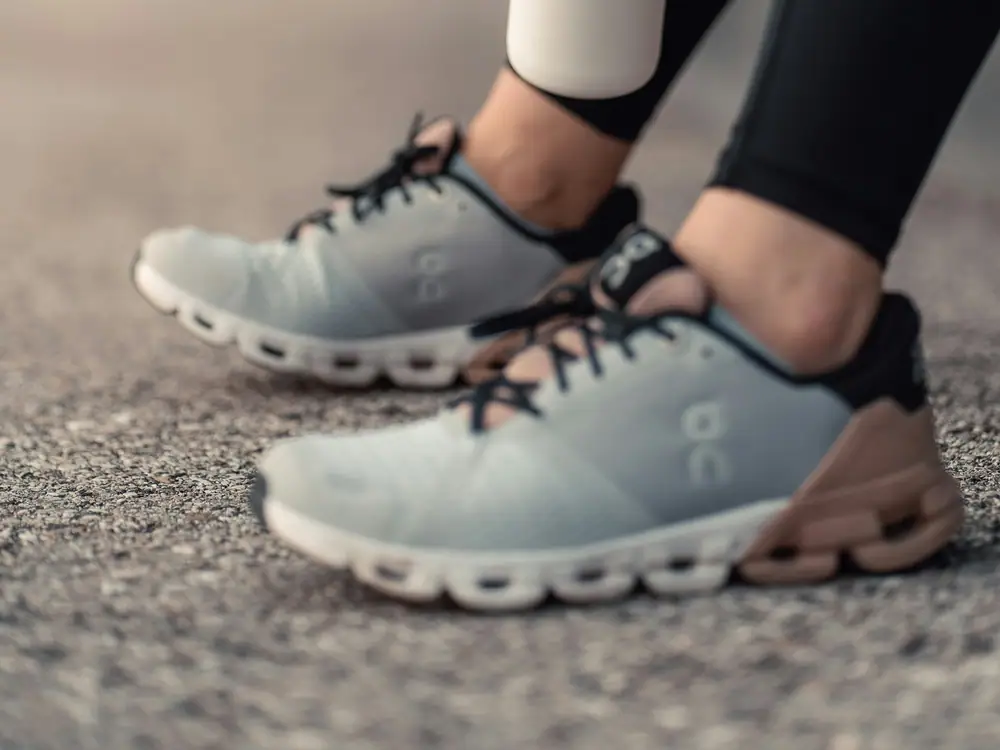
The item that affects comfort in almost every session. Match the type of shoe to the movement first, then the size. Running shoes on a tennis court is the classic mistake.
Main tool
The racket, ball, bike or goggles. Borrow or rent it for the first few sessions so you learn what you like before spending anything.
Clothing sits outside the three layers on purpose. For a first season, almost anything breathable that you can move in will do. The exception is weather: a light waterproof layer for outdoor sports and a warm top for the sideline stop bad days from becoming missed sessions.
Sizing and fit basics
Fit is where beginner kit succeeds or fails. A helmet that sits too far back, a racket grip that is too thick, a ball that is the wrong size for a child's age group, goggles that leak: each one turns a first session into a frustrating one.
The good news is that most fit checks take seconds and need no expertise. A few rules cover almost every sport:
- Measure, then test. Size charts give you a starting point. Moving in the item gives you the answer.
- Shop for shoes later in the day, wearing the socks you play in, because feet swell with activity.
- Protective gear should stay put. If a helmet rocks or shin pads slide, they are the wrong size or poorly adjusted.
- Children need today's size, not a size to grow into, for anything that protects or supports.
- Check your league's rules for ball and racket sizes by age.
Each starter kit includes a fit table for the key sizes in that sport, from tennis grip sizes to football sizes to helmet measurements. For shoes across all sports, our guide to sizing sports shoes goes into detail.
Rent, borrow or buy
The fastest way to find out what equipment suits you is to use someone else's first. Clubs keep loaner rackets. Pools lend kickboards. Bike hire shops let you ride different styles for a weekend. Friends have garages full of forgotten gear. Every borrowed session is research: you learn whether you like a heavy or light racket, an upright or stretched-out bike, a firm or cushioned shoe.
But some things should always be your own. The split is easy to remember.
Borrow or rent first
- Bikes, especially if you are unsure about style
- Rackets and bats
- Balls and training aids
- Anything large, expensive or preference-based
Buy your own
- Shoes and boots, fitted to your feet
- Helmets, whose history you need to know
- Mouthguards and goggles
- Socks, base layers and swimwear
Second-hand sits between the two. It works well for bikes (budget for a service), rackets (check the frame for cracks) and balls. Avoid second-hand helmets and mouthguards. Read more in our rent, borrow or buy guide.
Borrowing is not just cheaper. It tells you exactly what to look for when you do buy.
Budget tiers without the hype
You will see the same item at very different prices. Rather than quoting figures that change by shop and season, it helps to understand what actually changes between tiers. Entry-level gear is heavier, simpler and usually more forgiving and durable. Mid-range gear uses better materials and fit, and is often last season's performance model at a lower price. Premium gear is designed around the needs of experienced players: lighter, more precise, sometimes less forgiving and less durable.
For most beginners, the smart move is to spend a little more where fit and safety count, and save everywhere else.
Worth spending on
- Footwear that fits the movement
- Helmets and required protection
- Anything you touch for hours: saddle, grip, goggle seal
Fine at entry level
- Clothing and bags
- Practice balls
- Accessories and gadgets
Our guide to budget tiers explains why premium gear can make learning harder, and where mid-range value usually hides.
Your first four weeks
Instead of buying everything in one trip, spread decisions across your first month. Each week you know more about the sport and about what you personally need.
- Week 1
Take part with the minimum
Required safety gear, suitable shoes if you have them, borrowed main tool. Write down anything that rubs, slips or annoys you.
- Week 2
Fix footwear
Get properly fitted shoes or boots for the sport, using your notes from week one.
- Week 3
Choose your main tool
Try two or three options in your size, then buy the one that still feels good late in a session.
- Week 4
Round out the bag
Weather layers, better socks, care items and a consistent packing routine.
Gear care from day one
Most beginner equipment does not wear out from being used. It wears out from being left wet, hot or dirty between uses. A few habits make a real difference: empty your bag after each session, let shoes air-dry away from heaters, rinse swim kit in fresh water, keep rackets and balls out of hot cars, and check tyre and ball pressure regularly.
Build those habits in your first week and your starter kit will last well into a second season, by which time you will know exactly which upgrades are worth making. The gear care guide covers each type of equipment in turn.
Pick your sport below. Each kit has an essentials checklist, a fit table, a skip-for-now list and a four-week plan you can print.