Equipment that is looked after lasts longer, performs more consistently, and is safer to use. You do not need special products for most of it. The key is building a few small habits into the end of each session.
After every session
- Take everything out of your bag, especially damp items.
- Let shoes and boots air-dry at room temperature, away from heaters.
- Rinse swimwear, goggles and caps in fresh water.
- Wipe mud or sweat from protective gear.
- Check for obvious damage: cracks, loose straps, flat tyres.
Item by item
Shoes and boots
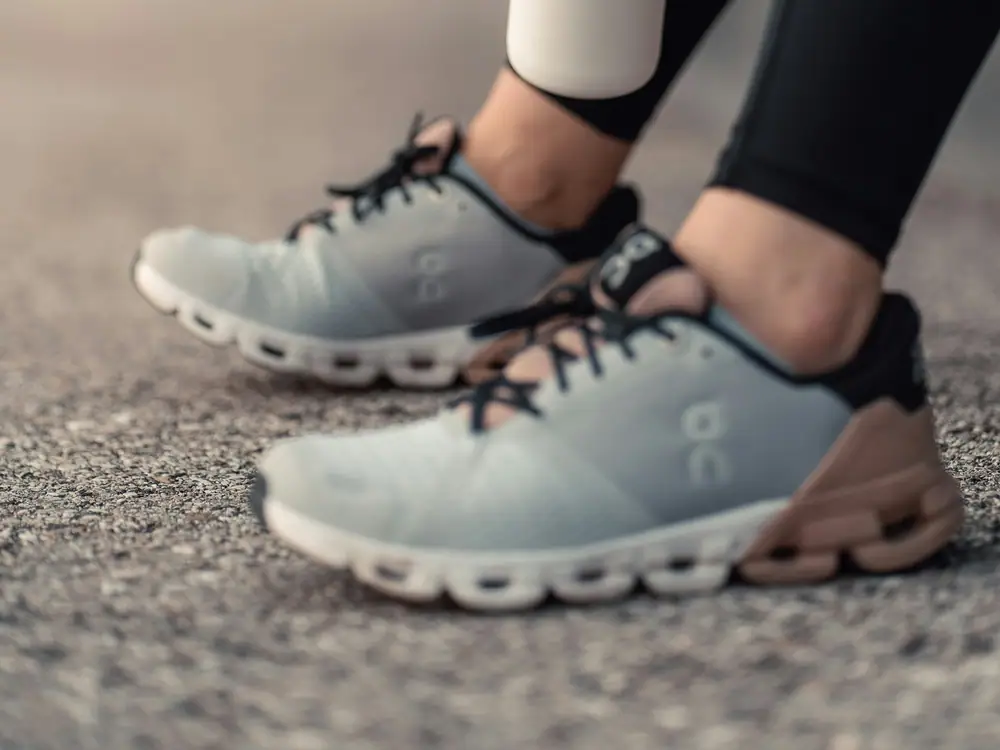
Knock off mud and loosen laces fully after use so the shoe can dry. Stuff wet shoes with newspaper to draw out moisture and hold their shape. Avoid the washing machine and direct heat, which can break down glue and foam. Where possible, rotate between two pairs so each dries fully.
Balls
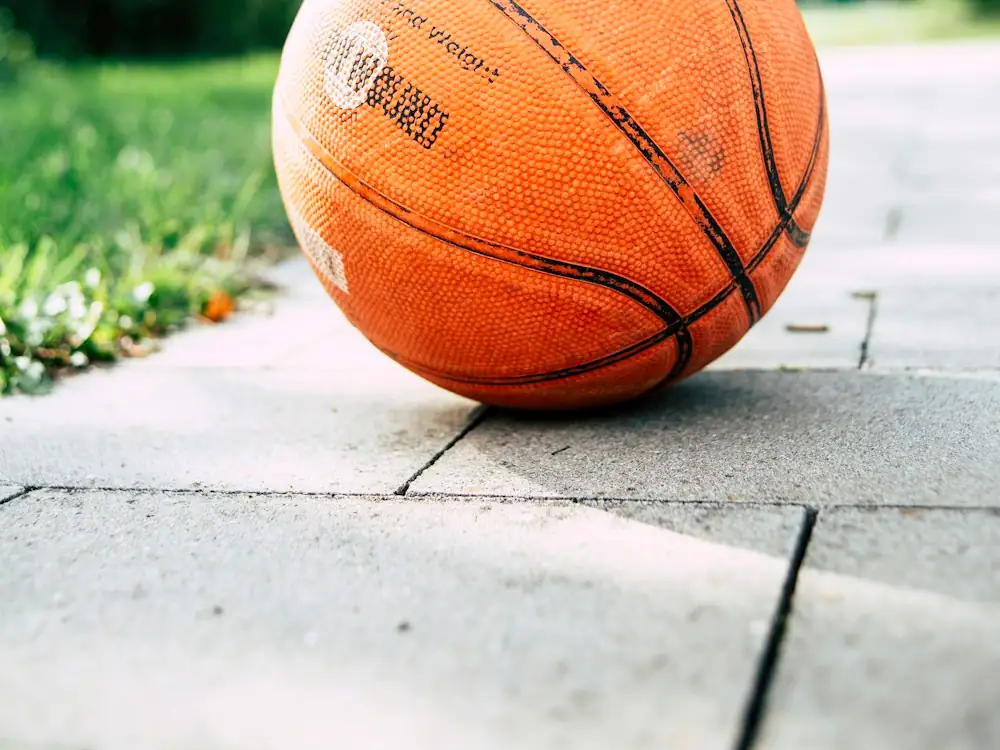
Check pressure before each session using a gauge or the bounce test your coach recommends. Store at room temperature, as cold can reduce bounce and heat can stress seams. Use outdoor balls outside and indoor balls inside to prevent unnecessary wear.
Rackets
Keep rackets out of hot cars and direct sunlight. Replace grips and overgrips when they become slick. Inspect the frame near the throat for cracks after any hard knock.
Bikes
Wipe and lubricate the chain after wet or dusty rides. Check tyre pressure weekly and brakes before every ride. A quick clean prevents grit from wearing out moving parts.
Protective gear
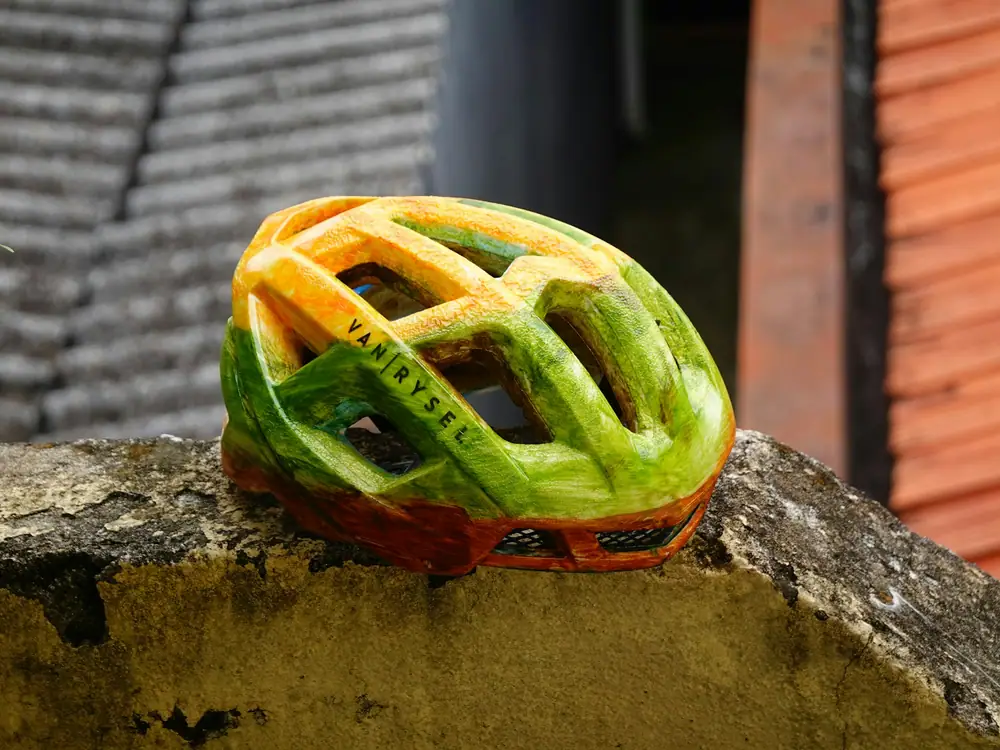
Air out helmets and pads after use and wash removable liners according to the instructions. Rinse mouthguards and store them in a ventilated case. Replace any protective item after significant impact.
Swimwear
Rinse in cool fresh water and dry flat in the shade. Chlorine and sunlight both break down fabric. Avoid wringing suits tightly.
Most gear does not wear out from use. It wears out from being left wet, hot or dirty between uses.
An end-of-season check
At the end of a season, give everything a proper look before it goes into storage. Wash and fully dry clothing and pads, deflate balls slightly if they will sit for months, service the bike, and make a short list of anything that needs replacing. Doing this now means your kit is ready the moment the next season starts, and any replacements can be bought calmly rather than the night before the first session.
A simple weekly routine
| Task | Why it helps |
|---|---|
| Wash sports clothing and socks | Prevents odour and fabric breakdown |
| Check ball pressure | Consistent feel and less seam stress |
| Inspect shoes for wear | Worn soles reduce grip and support |
| Check bike tyres and chain | Fewer punctures and smoother shifting |
| Restock your bag | Nothing forgotten next session |
Storage basics
Store equipment somewhere dry, ventilated and at a steady temperature. Garages and car boots are convenient but can get very hot or cold. A shelf or hook indoors is usually better. Keep bags open when stored so moisture can escape.
A cleaning kit you already own
Most gear care needs nothing special. An old toothbrush shifts mud from boot studs and shoe treads. A soft cloth and mild soapy water clean helmets, pads and bike frames. Newspaper dries shoes. A bucket of fresh water rinses swim kit. The only specialist items worth buying for most beginners are a ball pump with a needle and, for cyclists, a bottle of chain lube.
Travelling with gear
Car boots get hot in summer and cold in winter, both of which are hard on rackets, balls and foam. Take equipment inside rather than leaving it in the car overnight. Pack wet items in a separate bag so they do not soak everything else, and open that bag as soon as you get home. On longer trips, a padded cover for rackets and a simple bike cover protect against knocks.
Knowing when to replace
- Shoes: when soles are worn smooth or cushioning feels flat.
- Balls: when they no longer hold air or the surface is torn.
- Helmets: after impact, or at the age recommended by the maker.
- Goggles: when seals crack or anti-fog stops working.
- Grips: when they turn shiny or slippery.
Every starter kit on this site finishes with a sport-specific gear care section, so you can build these habits from your first week.