Beginners tend to fall into one of two camps: those who buy every pad available and those who skip protection until something goes wrong. Neither is ideal. The right approach is to understand what protection your sport requires, what is sensibly recommended, and what is simply optional.
Three tiers of protection
- Essential: required by rules or strongly associated with serious injury risk. Wear it from day one.
- Recommended: reduces common minor injuries. Add it within your first few weeks.
- Optional: useful for some people or situations, often down to comfort.
By sport
| Sport | Essential | Recommended | Optional |
|---|---|---|---|
| Cycling | Helmet, lights | Gloves, eyewear | Knee pads (off-road) |
| Football | Shin pads | Mouthguard for contact play | Ankle support if advised |
| Basketball | Supportive court shoes | Mouthguard | Knee pads, ankle braces |
| Tennis | Court shoes | Sun protection | Wrist or elbow supports |
| Running | Visibility gear in low light | Sun protection | Reflective accessories |
| Swimming | Following pool safety rules | Goggles for eye comfort | Earplugs |
Rules vary by league, club and region, so always check what your organiser requires.
Fit is everything
A helmet that sits too far back on the head, shin pads that slide round to the side of the leg, or a mouthguard that makes you gag are all common beginner problems. Protection that does not stay in place does not do its job.
Helmets
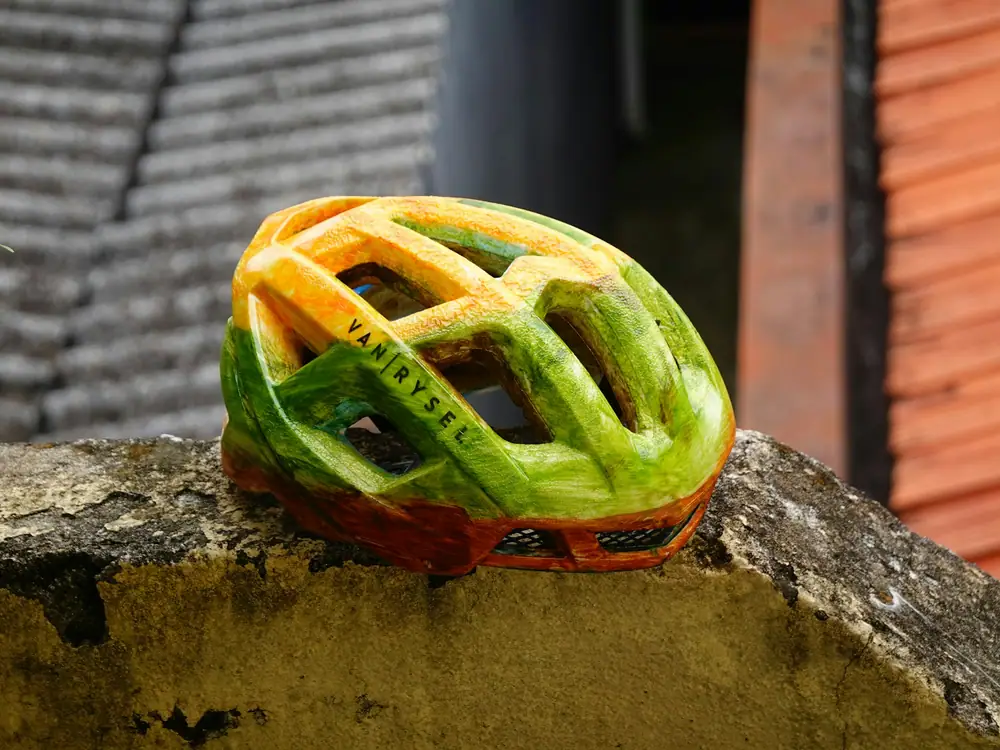
Measure your head circumference with a soft tape just above the eyebrows and choose the matching size. The helmet should sit level, roughly two finger-widths above the eyebrows. Adjust the straps so they form a "V" just below each ear and fasten the chin strap so only one finger fits underneath. Shake your head: the helmet should move with your skin, not slide.
Shin pads
Pads should cover most of the shin from just below the knee to just above the ankle. Slip-in pads need tight socks or sleeves to hold them; styles with built-in ankle guards stay put more easily and suit younger players.
Mouthguards
Boil-and-bite guards are shaped at home by softening them in hot water and biting down. Follow the instructions carefully. A well-fitted guard covers the upper teeth and lets you breathe and speak.
Protection that does not stay in place does not do its job. Fit it, test it, then forget about it.
When to replace protective gear
- Replace a helmet after any crash where it hits the ground, even if it looks fine.
- Replace mouthguards that are torn, loose or chewed through.
- Replace shin pads when the shell cracks or straps no longer hold.
- Follow the manufacturer's guidance on age for helmets and other foam-based protection.
Make wearing it a habit
Protective gear only works when it is on. The easiest way to make that automatic is to store it with the main equipment: helmet clipped to the bike, shin pads inside the boots, mouthguard case in the ball bag. When the kit lives together, it leaves the house together.
Comfort plays a part too. A helmet that pinches or a mouthguard that makes you gag is more likely to be "forgotten". If something is uncomfortable, adjust it or try another size or style rather than leaving it at home.
Children and protective gear
For young players, fit is even more important because heads, legs and teeth are still growing. Check helmet and shin pad fit at the start of each season, and whenever a child mentions that something feels tight or loose. Follow the league's requirements closely; youth competitions often have stricter rules than adult casual play.
Borrowing protective gear
Most protection is personal. Helmets can hide damage, mouthguards are hygiene items, and pads mould to their owner. Borrowing shin pads or knee pads is usually fine if they are clean and in good condition, but buy your own helmet and mouthguard.
The takeaway
Protective gear is not about expecting to get hurt. It is about removing avoidable risk so you can concentrate on learning. Sort the essentials first, fit them properly, and add the recommended items once you know the sport. Our cycling and football kits include detailed fit tables for helmets and shin pads.