The excitement of starting a new sport often turns into a shopping trip. But until you have played a few times, you do not know which equipment you prefer, what size suits you, or even whether you will stay with the sport. Renting and borrowing give you that information at little or no cost.
Four questions for every item
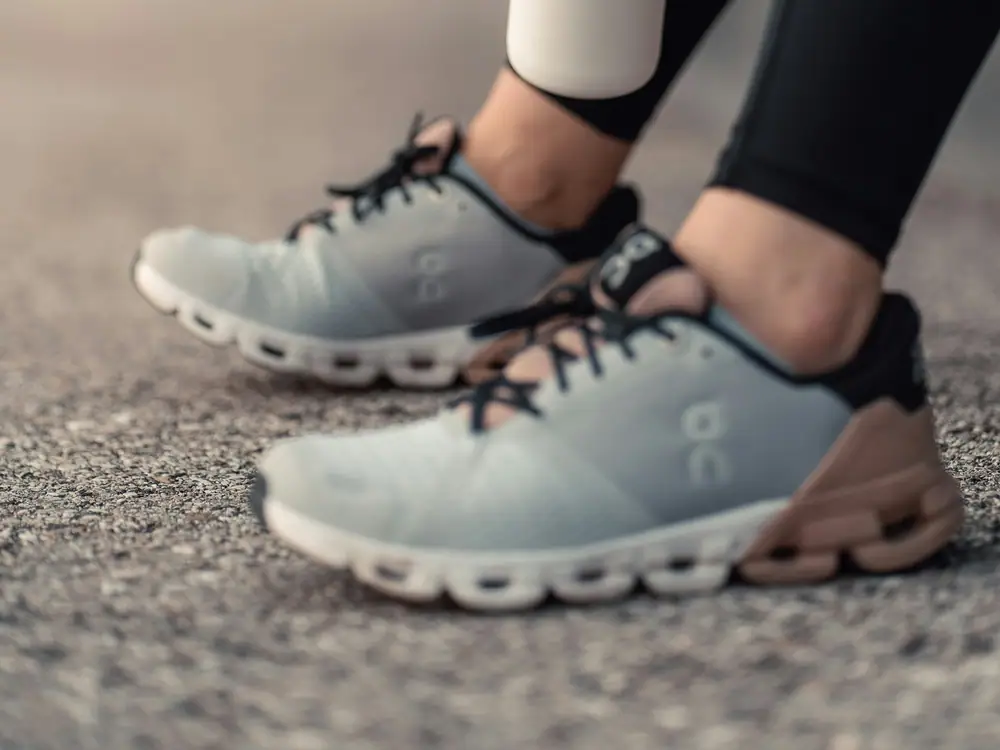
- Is it personal? Items that touch skin closely, mould to the body, or have hygiene concerns (shoes, mouthguards, goggles, swimwear) are usually worth buying.
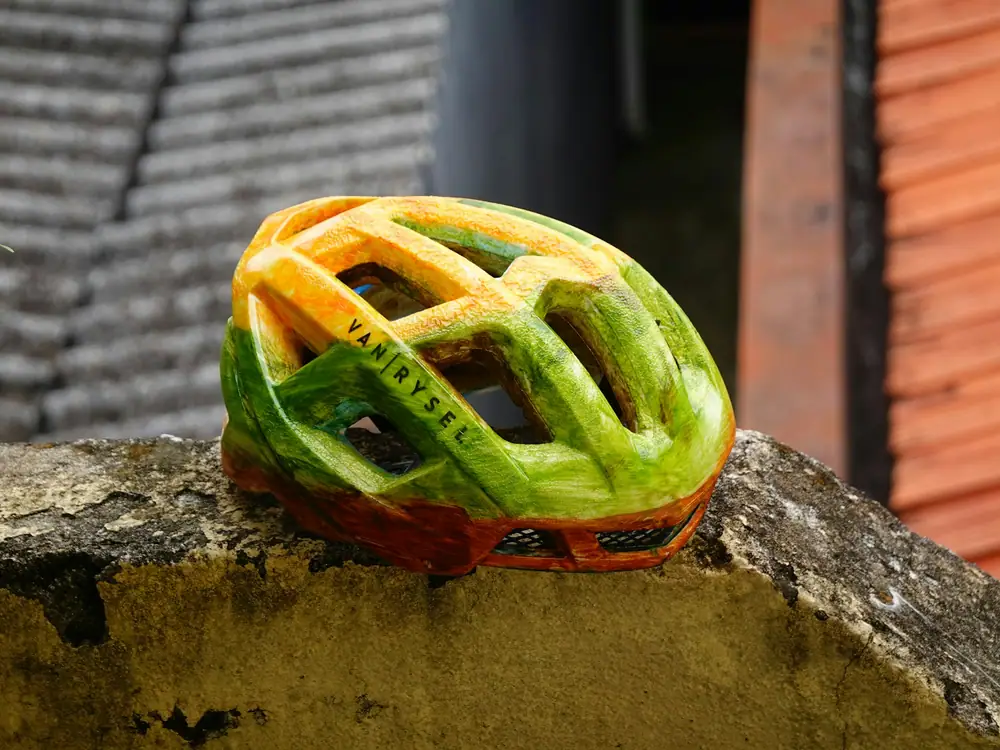
- Is it safety-critical? Helmets and other impact protection should be your own, so you know their history.
- Does fit depend on preference? Rackets and bikes vary in feel. Trying several before buying reduces the chance of a poor choice.
- How often will you use it? Weekly use favours buying; occasional use favours renting.
A simple framework
Rent or borrow first
- Bikes
- Rackets
- Balls
- Training aids like kickboards and cones
- Large or expensive items you are unsure about
Buy your own
- Shoes and boots
- Helmets
- Mouthguards
- Goggles and swim caps
- Socks and base layers
Where to rent or borrow
- Clubs and coaches: many keep loaner rackets, balls and bibs for beginners and taster sessions.
- Hire shops: common for bikes, especially in towns with leisure routes.
- Leisure centres and pools: often lend kickboards, pull buoys and balls.
- Friends and family: the most overlooked source. Plenty of rackets and bikes sit unused in garages.
- Swap schemes: youth clubs frequently run boot and kit swaps at the start of a season.
Borrowing is not just cheaper. It is research: every session with borrowed gear tells you what to look for when you buy.
What to note while borrowing
Treat borrowed sessions as a test. Keep short notes on your phone:
- Did the grip or handle feel too thick or too thin?
- Did the item feel heavy late in the session?
- Were there any aches, rubs or pressure points?
- What did you like about it?
Take those notes with you when you shop. Staff can help much more when you can describe what you felt.
Buying second-hand
Second-hand is a good middle ground for bikes, rackets and balls. Check bikes for frame damage, worn chains and brake condition, and budget for a service. Check rackets for cracks around the throat and head. Avoid second-hand helmets and mouthguards.
Examples by sport
| Sport | Borrow or rent | Buy |
|---|---|---|
| Tennis | Racket, balls | Court shoes |
| Running | Nothing essential | Running shoes, socks |
| Cycling | Bike | Helmet, gloves |
| Football | Ball, cones | Boots, shin pads |
| Basketball | Ball | Shoes, mouthguard |
| Swimming | Kickboard, pull buoy | Goggles, cap, suit |
Questions to ask a hire shop
- Can you set the equipment up for my size before I leave?
- Is a helmet or other safety gear included, and can I bring my own?
- What happens if something breaks or I get a puncture?
- Can I swap to a different size or style if the first one does not suit me?
- Do you offer longer hires for people who are still deciding?
Good hire staff are usually happy to explain the differences between models, which is useful information to carry into a later purchase.
Making borrowed gear fit
Borrowed equipment will rarely be perfect, but small adjustments go a long way. Raise or lower a bike saddle to suit your leg length. Add an overgrip to a racket handle that feels thin. Tighten or loosen goggle straps until they seal without pinching. If an item cannot be adjusted to fit safely, especially anything protective, do not use it.
Borrowing within a group
If you are starting a sport with friends or family, pooling equipment stretches everyone's budget. One person's spare racket, another's ball and pump, a shared set of cones: between you, a first few sessions can be almost free. Agree on simple rules, such as cleaning gear before returning it and reporting any damage, so borrowing stays easy. Keep personal items, like shoes, mouthguards and goggles, personal.
The bottom line
Buy what is personal or safety-critical. Borrow or rent what depends on preference or what you are not sure you will use. After a month, you will know exactly what to buy. See each starter kit for a sport-specific rent-or-buy section.