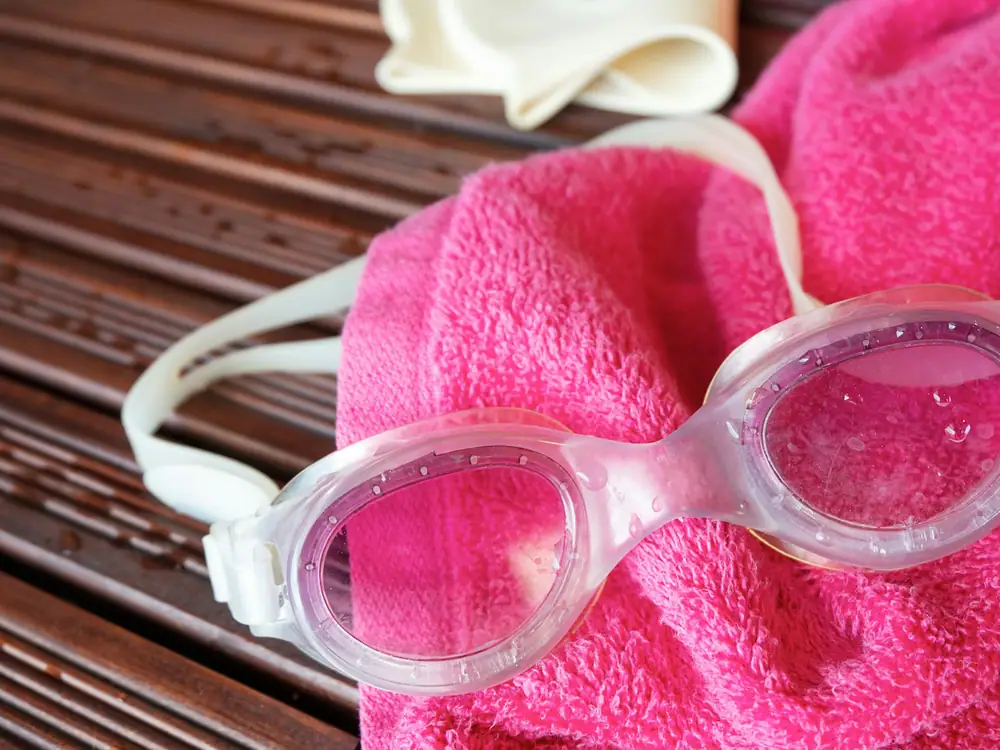
Many adults return to swimming for fitness or learn properly for the first time. Leaky or foggy goggles are one of the most common reasons first sessions feel frustrating. The good news: goggle fit can be tested in seconds, even in the shop.
This kit is built for lane swimming in an indoor or outdoor pool. Open-water swimming adds wetsuits, bright tow floats and extra safety steps, which is a topic for another page.
Essentials checklist
Tick items off as you sort them. Your ticks are saved in this browser only.
In the water
Poolside
After swim
Fit and size guide
Goggles do not come in shoe-style sizes; fit depends on face shape. Test several shapes and choose the pair that seals comfortably with the strap loose, then tighten it only as much as needed.
| Item | Fit test | Tip |
|---|---|---|
| Goggles | Press the lenses to your eyes without the strap; they should hold for a moment | If they fall off immediately, try another shape |
| Nose bridge | Lenses sit evenly without pressing into the nose | Many goggles include swappable bridge pieces |
| Strap | Snug, not tight; sits on the crown of the head | Over-tightening causes headaches and marks |
| Swim cap | Covers ears and hairline without rolling up | Long hair: consider a cap sized for extra volume |
| Swimsuit | No gaping at the back or straps slipping when you reach overhead | Chlorine-resistant fabric keeps its shape longer |
Size ranges are general guidance. Always check the manufacturer's chart and your club or league rules.
Skip for now
These items are genuinely useful later. In a first season they mostly add cost and decisions.
- Fins, paddles and pull buoysGreat training aids later; learn the basic strokes first.
- Waterproof music playersDistracting while you learn to breathe rhythmically.
- Tech suitsDesigned for racing, and uncomfortable to put on.
- Mirrored racing gogglesClear or lightly tinted lenses are easier indoors.
Your first four weeks of gear
- Week 1
Goggles first
Try two or three goggle shapes. Keep the pair that passes the suction test without discomfort.
- Week 2
Choose a cap
Pick silicone for durability or fabric for comfort. Practise putting it on dry first.
- Week 3
Suit and towel
Upgrade to a chlorine-resistant suit and a quick-dry towel if you swim more than once a week.
- Week 4
Consider a kickboard
If your pool does not provide one, a kickboard helps with leg drills.
Rent, borrow or buy?
Most pools lend kickboards and pull buoys, so there is no need to buy training aids. Goggles, caps and swimsuits are personal items and inexpensive enough to buy. If budget is tight, start with a basic pair of goggles and a latex cap, then upgrade the item that bothers you most.
Budget tiers, described plainly
Entry level: basic goggles and latex caps, often sold at the pool reception. Mid-range: anti-fog goggles with adjustable bridges, silicone caps and chlorine-resistant training suits. Premium: low-profile racing goggles and specialist suits. Nice later, not needed to learn.
Gear care
Rinse goggles, cap and suit in cool fresh water after every swim and let them dry out of direct sunlight. Do not rub the inside of goggle lenses, which removes the anti-fog coating. Dust silicone caps lightly with a little talc if they stick.
Your first pool session bag
Pack the night before: goggles and a spare pair if you have one, cap, suit worn under your clothes to save time, towel, sandals, a coin or token for the locker if your pool needs one, and a water bottle. Check the pool timetable for lane swimming sessions, which are usually divided into slow, medium and fast lanes. Starting in the slow lane is normal and expected, and many pools post lane etiquette signs at the poolside.
Our guides to sizing sports shoes and the first-season checklist apply to every sport.