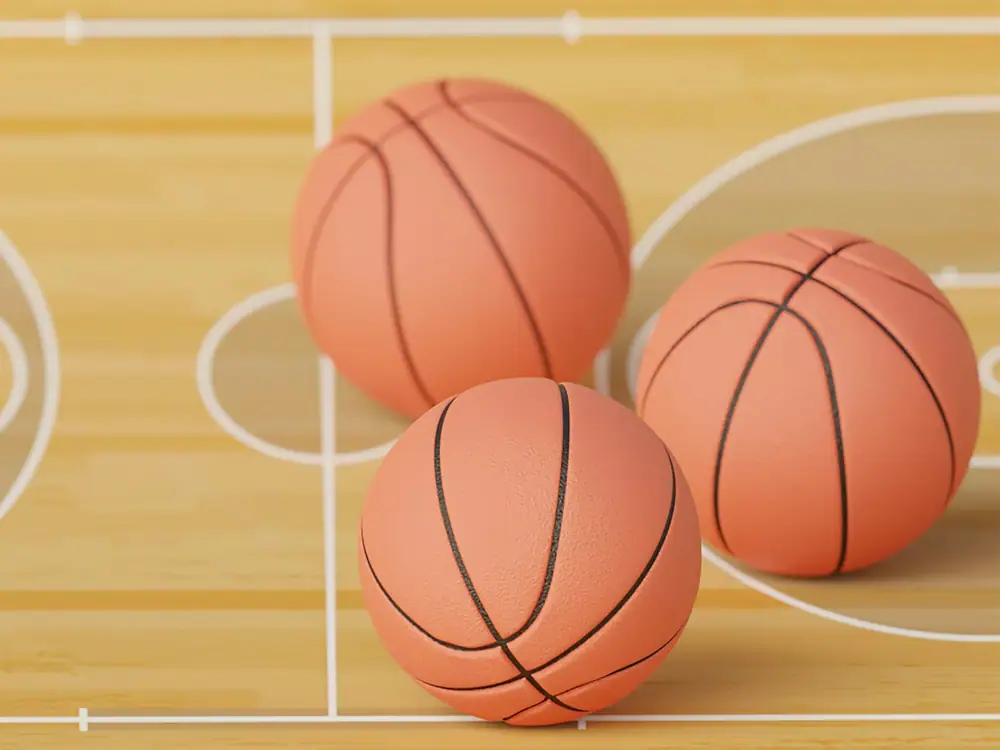
Casual games, school teams, local leagues and solo shooting all start with the same short list. The ball is more important than people expect: an indoor leather ball will scuff and wear out quickly on outdoor concrete, while a rubber outdoor ball feels hard and slippery on a polished floor.
Shoes are just as important. Basketball involves jumping, landing and sharp cuts, so the grip of the outsole and the support around the ankle are the features to prioritise.
Essentials checklist
Tick items off as you sort them. Your ticks are saved in this browser only.
Ball & court
Feet
Wear & bag
Fit and size guide
Ball sizes are numbered by circumference. Most youth and adult leagues use size 5, 6 or 7 depending on age and division, so check your league before buying. Shoes should be snug around the heel with a small amount of space at the toe.
| Item | Commonly used by | Fit check |
|---|---|---|
| Size 5 ball | Younger children | Easier to grip and control with small hands |
| Size 6 ball | Women's leagues and many youth players around their early teens | Check your league rules |
| Size 7 ball | Men's leagues and older teen boys | The standard full-size ball |
| Shoes | Try on with game socks | Heel locked in, toes not touching, no side-to-side sliding |
| Mouthguard | Contact play at any age | Covers the upper teeth; you can speak and breathe normally |
Size ranges are general guidance. Always check the manufacturer's chart and your club or league rules.
Skip for now
These items are genuinely useful later. In a first season they mostly add cost and decisions.
- Signature shoesWell-made mid-range shoes grip and support just as well for a beginner.
- Shooting sleeves and headbandsStyle items; add them later if you like.
- Home hoop systemsTry local courts first to see how often you actually play.
- Training aidsDribble goggles and resistance bands are for later skill work.
Your first four weeks of gear
- Week 1
Find a court
Play at a local court or sports hall with whatever trainers you own. Note the surface: indoor wood or outdoor concrete.
- Week 2
Pick the right ball
Buy a ball in your league size and suitable for that surface, plus a pump.
- Week 3
Get proper shoes
Try basketball shoes with game socks. Test stops and a few jumps in the shop.
- Week 4
Round out the bag
Add a mouthguard if you are joining contact games, and a towel and bottle.
Rent, borrow or buy?
Balls are usually available at sports halls and community courts, so you can shoot around before owning one. Shoes are a personal purchase for hygiene and fit reasons, although good-condition second-hand shoes can work for fast-growing children. Mouthguards are always personal.
Budget tiers, described plainly
Entry level: rubber outdoor balls and general court shoes. Hard-wearing and fine for learning. Mid-range: composite leather balls for indoor and outdoor use, and "team" basketball shoes from major brands. Premium: genuine leather indoor balls and signature shoes. Nice to own, not needed for a first season.
Gear care
Keep outdoor shoes for outdoor courts, because concrete wears traction quickly, and wipe indoor soles before play for better grip. Store balls at room temperature; cold makes them bounce less. Check the pressure before each session.
What to bring to a first casual game
Drop-in sessions and casual games are the most common way adults start playing. Bring your shoes in a bag and change at the court so the soles stay clean, a full water bottle, a light top to wear between games, and your own ball if you want to warm up. A dark and a light top help when teams are picked by shirt colour. Arrive a little early to shoot around; it is the easiest way to meet regulars and learn the local etiquette.
Our guides to sizing sports shoes and the first-season checklist apply to every sport.