Beginners often ask for "the full list" of equipment for a new sport. The trouble with a full list is that it treats every item as equally urgent. In reality, a first season has three phases: the handful of things you need before your first session, the things you will want once you know you are sticking with it, and the things that only make sense once you have a season behind you.
This checklist works across tennis, running, cycling, football, basketball and swimming. For sport-specific detail, each of our starter kits expands the list with fit tables and a four-week plan.
Phase one: before day one
The goal before your first session is simple: arrive safe, comfortable and able to take part. Nothing more.
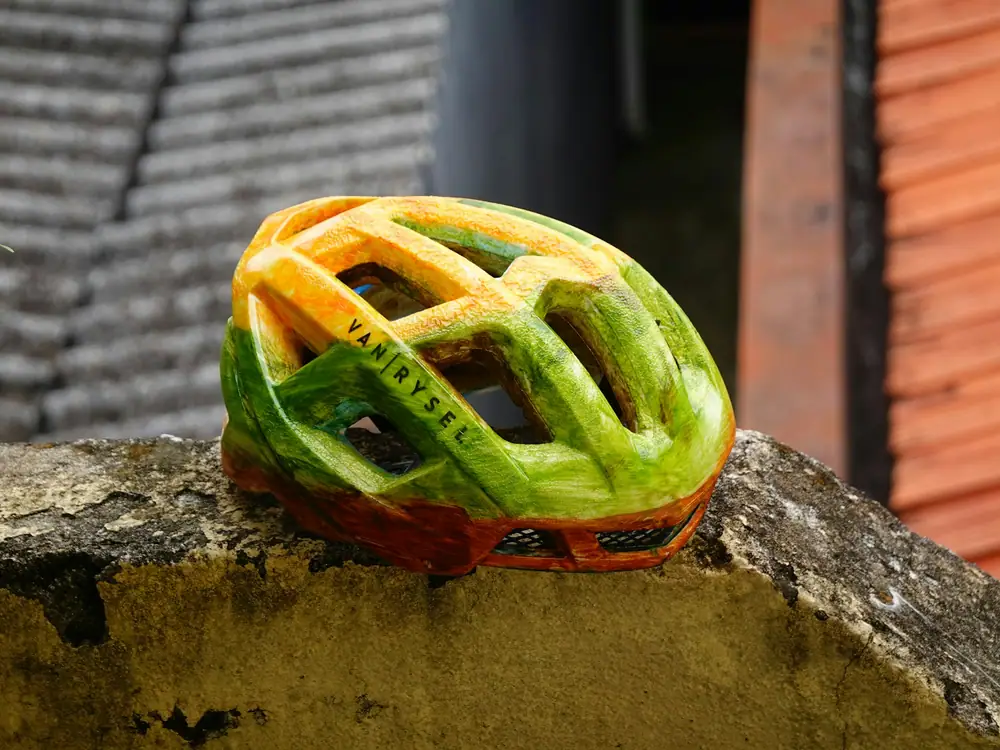
- Required safety gear. A helmet for cycling, shin pads for organised football, a mouthguard for contact basketball. If the activity requires it, it goes first.
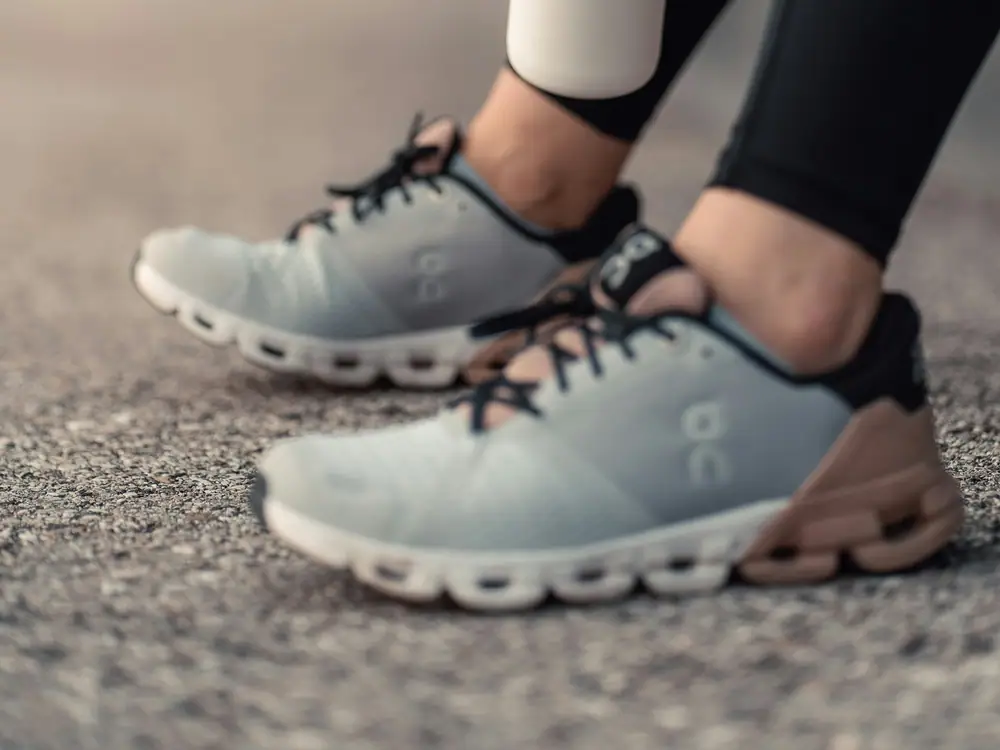
- Footwear that suits the movement. Court shoes for court sports, running shoes for running, boots matched to the pitch. This is the most common place beginners cut corners and regret it.
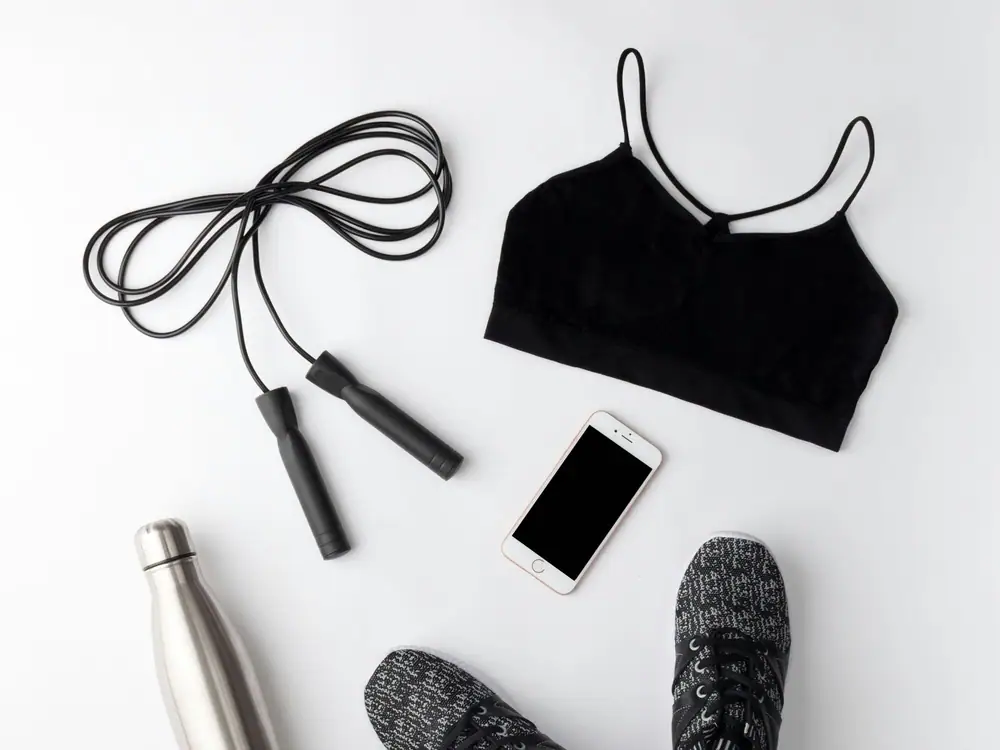
- Clothes you can move in. Anything breathable. Avoid heavy cotton in hot conditions.
- Water bottle. Labelled with your name.
- The main tool, borrowed if possible. A racket, a ball, a bike. Borrowing first tells you what you like before you spend.
Before day one, the question is not "what will make me better?" It is "what will let me take part safely?"
Phase two: after about a month
By now you know whether you enjoy the sport and roughly how often you will play. You have also noticed small annoyances: a blister, a grip that slips, goggles that leak. Phase two is about fixing those annoyances with targeted purchases.
- Your own main tool, fitted properly. Buy the racket, ball or bike in the size that suits you, using what you learned while borrowing.
- Sport-specific socks. A small upgrade that removes a surprising number of blisters.
- Weather layers. A light jacket for outdoor sports, a warm layer for the sideline.
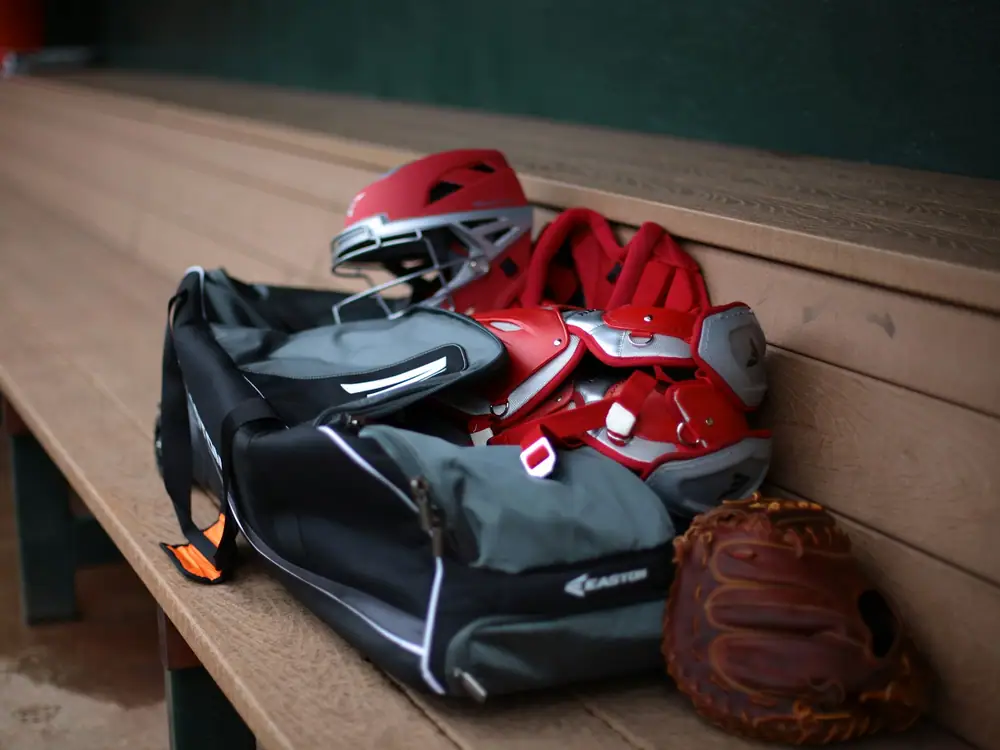
- A consistent bag. Packed the same way each time so nothing is forgotten.
- Basic care items. A ball pump, a chain lube, a grip, anti-fog spray: whatever keeps your gear working.
Phase three: save for season two
Some gear is genuinely useful, just not yet. These items make more sense once your technique is settled and you know which details are important to you.
- Performance or "pro" versions of your main tool
- Tracking devices such as GPS watches and power meters
- Training aids: resistance bands, paddles, agility ladders
- Duplicate items for different surfaces or conditions
- Specialist clothing like compression wear or racing suits
The checklist at a glance
| Category | Before day one | After a month | Season two |
|---|---|---|---|
| Safety | Required protective gear | Recommended extras (gloves, eyewear) | Upgrades and replacements |
| Footwear | Sport-appropriate shoes | Better socks, insoles if needed | Second pair for rotation |
| Main tool | Borrowed or rented | Your own, properly fitted | Performance model |
| Clothing | Whatever you can move in | Weather layers | Specialist items |
| Extras | Water bottle | Bag and care items | Tech and training aids |
Adapting the list for children
The same three phases work for young players, with two adjustments. First, growth: children can move up a shoe or boot size within a season, so check fit every couple of months rather than buying big. Second, rules: youth leagues often set ball sizes, racket lengths or required protection by age group. Ask the coach or organiser before you shop, because the answer can change what goes on the phase-one list.
Hand-me-downs and club swap boxes are especially useful for children. A barely used racket or a pair of shin pads from an older sibling fits neatly into phase one, leaving the budget for well-fitted shoes.
How to use this list
Print it, stick it inside a cupboard door, and tick items off as you go. When you are tempted by something in phase three during week two, ask one question: what problem will this solve for me right now? If you cannot name a problem, it can wait.
A first season is for learning the sport, not for collecting the equipment. The players who enjoy their first year the most are usually the ones who kept their kit simple and spent their energy on showing up.