Walk into any sports shop and you will see the same item at very different price points. It is natural to wonder whether the cheaper option will hold you back or whether the expensive one is a waste. The answer depends on what changes between tiers, and for beginners, the differences are often smaller than you would think.
What actually changes between tiers
| Tier | Typical traits | Suits |
|---|---|---|
| Entry | Heavier materials, simpler construction, durable, forgiving | Trying a sport, growing children, occasional use |
| Mid-range | Better materials and fit, lighter, often last season's performance model | Regular beginners who know they will stick with it |
| Premium | Lightest weight, specialist features, sometimes less durable | Experienced players with specific needs |
Where to spend first
The items worth spending a little more on are the ones that affect comfort and safety every single session:
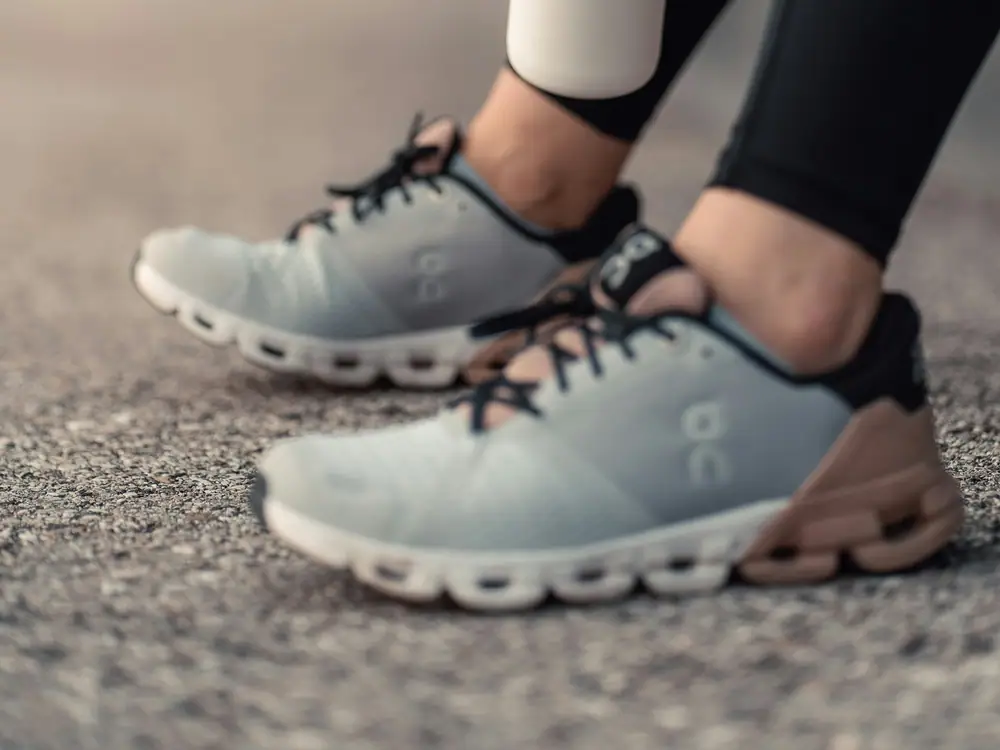
- Footwear. Fit and support make a noticeable difference in almost every sport.
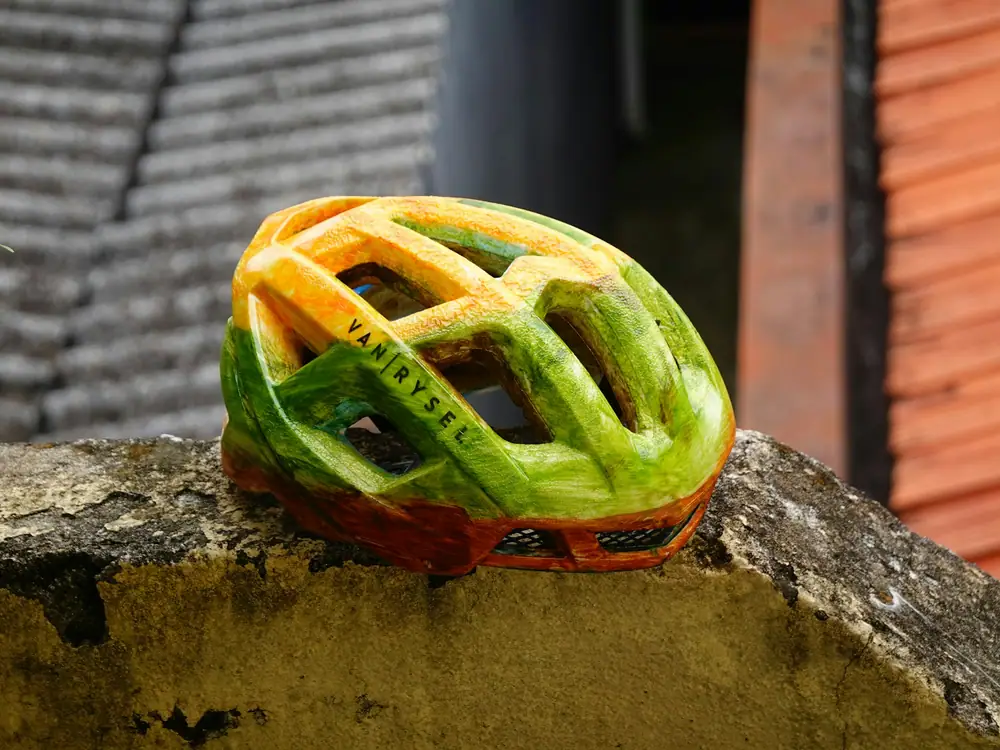
- Protective gear. Choose on fit and certification, not on price alone.
- Anything that touches you for hours. A bike saddle, a swim goggle seal, a racket grip.
Where to save
- Clothing: most sportswear works well at entry level.
- Balls for practice: durability counts for more than feel.
- Bags and accessories.
- Tech and gadgets in your first season.
Premium gear is designed around the needs of experienced players. Beginners often benefit more from forgiveness and durability than from low weight.
Why premium is not always better for beginners
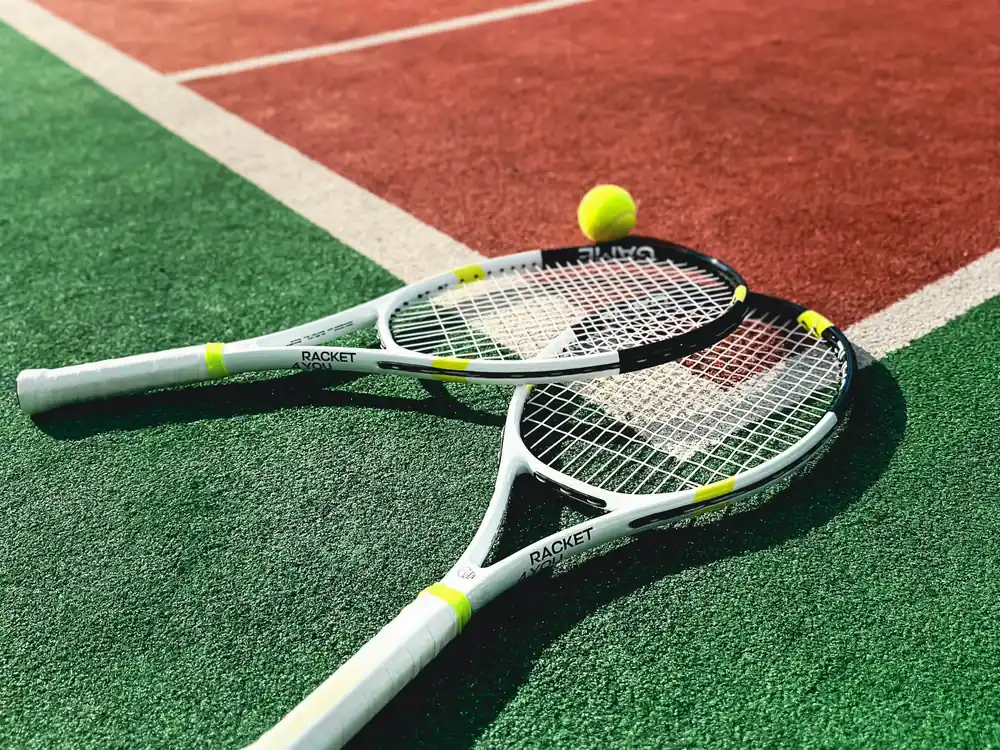
Premium equipment often trades forgiveness for precision. A racket with a small head rewards clean hits but punishes mishits. A lightweight football boot has less padding. A racing bike has an aggressive riding position. These trade-offs make sense when your technique is consistent, but they can make learning harder.
Finding mid-range value
The sweet spot for many beginners is last season's mid-range or performance model. Manufacturers update colours and small details each year, and previous versions are regularly discounted while offering near-identical performance. Ask in store whether an older model is available in your size.
A note on children's gear
Children outgrow equipment quickly, so entry-level or second-hand gear often makes the most sense. The exception is anything that must fit well for safety: helmets, and shoes or boots that are the right size rather than "to grow into".
How to compare two items in a shop
When two items look almost identical but sit at different price points, a few questions reveal what you are really paying for:
- What is different, specifically? Ask staff to name the actual changes: materials, weight, construction, features.
- Does that difference help a beginner? Lighter weight and stiffer materials often suit experienced players more than new ones.
- How does each one feel? Hold it, wear it, swing it, walk in it. Your comfort is a better guide than the label.
- How long will it last with my use? Durability often favours the entry and mid tiers.
- Is last season's version available? It may offer the mid-range benefits at a lower price.
If you still cannot decide, choose the one that fits better. A well-fitting entry-level item usually serves a beginner better than a poorly fitting premium one.
Look beyond the sticker
The cheapest option is not always the cheapest to own. Consider what else an item needs over a season: a racket may need restringing, a bike needs servicing and replacement tubes, shoes wear out faster with frequent use. An entry-level item that needs frequent replacement can end up costing more than a sturdier mid-range one. Likewise, a premium item that is uncomfortable or unsuitable may sit unused, which is the most expensive outcome of all.
Second-hand as a fourth tier
Second-hand gear can bring mid-range or even premium equipment into an entry-level budget. It works well for bikes, rackets and balls, provided you check condition carefully. Avoid second-hand helmets and mouthguards, and budget for a service on any used bike.
A simple budget plan
- List required safety items and fitted footwear. Buy these at whichever tier fits you well.
- Borrow or rent the main tool for a few sessions.
- Buy the main tool at entry or mid-range once you know your preferences.
- Keep a short "later" list for upgrades and revisit it after a season.
Each of our starter kits describes the entry, mid-range and premium options for that sport in plain terms, without prices, so you can compare what you see in shops.